
Discover 12 critical reasons why diabetes can be dangerous and learn effective strategies to prevent complications. Prioritize your health with these expert-backed insights.

🩺 12 Reasons Why Diabetes Can Be Dangerous (and How to Protect Yourself)
Diabetes is more than just high blood sugar; it’s a condition that, if unmanaged, can lead to severe health complications. Understanding these risks is the first step toward prevention and maintaining a healthy lifestyle.
1. Increased Risk of Heart Disease
High blood sugar levels can damage blood vessels and nerves controlling the heart, leading to cardiovascular diseases. Managing blood sugar is crucial to reduce this risk.
2. Nerve Damage (Neuropathy)
Excess glucose can injure the walls of tiny blood vessels that nourish your nerves, especially in the legs. This can cause tingling, numbness, and pain.

3. Kidney Damage (Nephropathy)
Diabetes can damage the filtering system of the kidneys, leading to kidney failure or irreversible end-stage kidney disease, which may require dialysis or a transplant.
4. Eye Damage (Retinopathy)
Diabetes increases the risk of serious eye diseases, such as diabetic retinopathy, cataracts, and glaucoma, potentially leading to blindness.
5. Foot Damage
Nerve damage in the feet or poor blood flow increases the risk of various foot complications. Left untreated, cuts and blisters can develop serious infections.
6. Skin Conditions
Diabetes may leave you more susceptible to skin problems, including bacterial and fungal infections.
7. Hearing Impairment
Hearing problems are more common in people with diabetes. High blood sugar can damage the small blood vessels and nerves in the inner ear.
8. Alzheimer’s Disease
Type 2 diabetes may increase the risk of dementia, such as Alzheimer’s disease. The poorer your blood sugar control, the greater the risk appears to be.
9. Depression
Depression symptoms are common in people with type 1 and type 2 diabetes, which can affect diabetes management.
10. Slow Healing
High blood sugar can affect your body’s natural healing process, leading to slow healing of cuts and wounds, increasing the risk of infections.
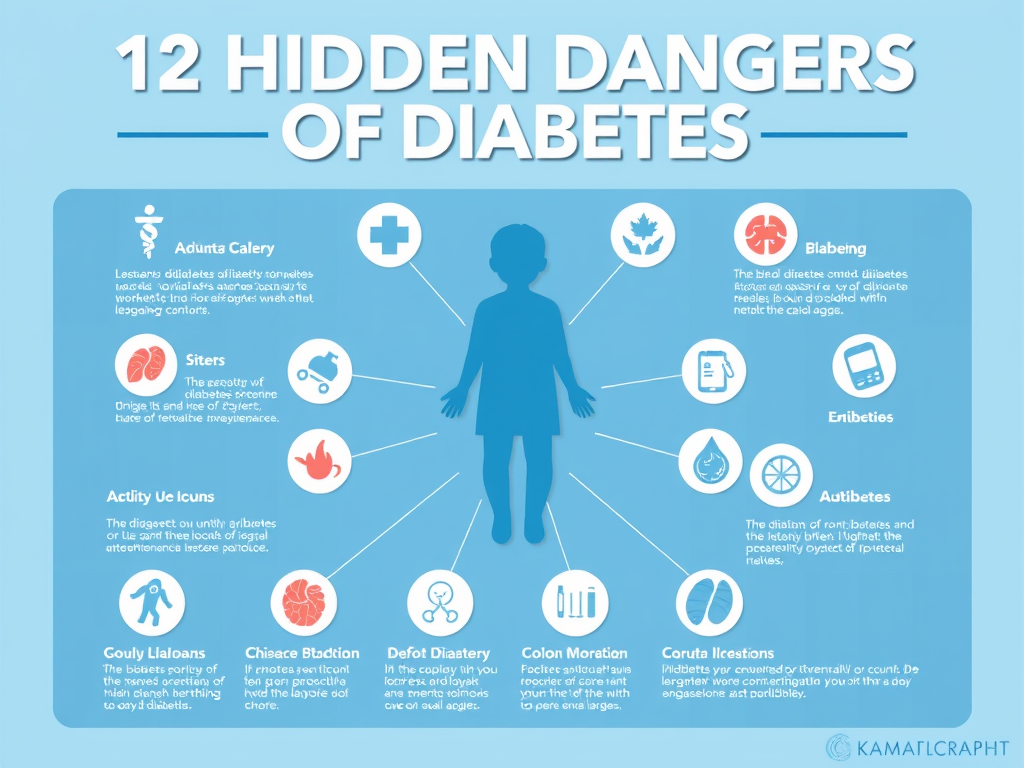
11. Digestive Issues
Diabetes can affect the digestive system, leading to conditions like gastroparesis, where the stomach takes too long to empty its contents.
12. Sexual Dysfunction
Diabetes can damage blood vessels and nerves, leading to sexual problems in both men and women.
Understanding these risks emphasizes the importance of effective diabetes management. Regular check-ups, a balanced diet, and consistent exercise are key components.
For tools and resources to help manage your health, visit our SELFLOVECLUB Shop.

 SELFLOVECLUB
Leave a comment