
Avoid common in-flight mistakes that can impact your well-being. Discover seven airplane habits to steer clear of and learn healthier alternatives for a comfortable journey.
7 Airplane Habits That Could Harm Your Health—And What to Do Instead
Flying can be exciting, but certain in-flight habits may negatively affect your health. Here are seven behaviors to avoid during air travel and healthier alternatives to ensure a comfortable journey.
1. Remaining Seated for Extended Periods
Prolonged immobility can increase the risk of deep vein thrombosis (DVT), a condition where blood clots form in deep veins, typically in the legs. To mitigate this risk, stand up, stretch, or walk every couple of hours. Even simple in-seat exercises like ankle circles and foot pumps can promote blood circulation.
2. Consuming High-Sodium and Sugary Foods
Airline meals often contain elevated levels of salt and sugar to compensate for taste alterations at high altitudes. Excessive intake can lead to bloating and dehydration. Opt for healthier snacks like unsalted nuts, fresh fruits, or whole-grain crackers to maintain energy levels without the added sodium and sugar.
3. Neglecting Hydration
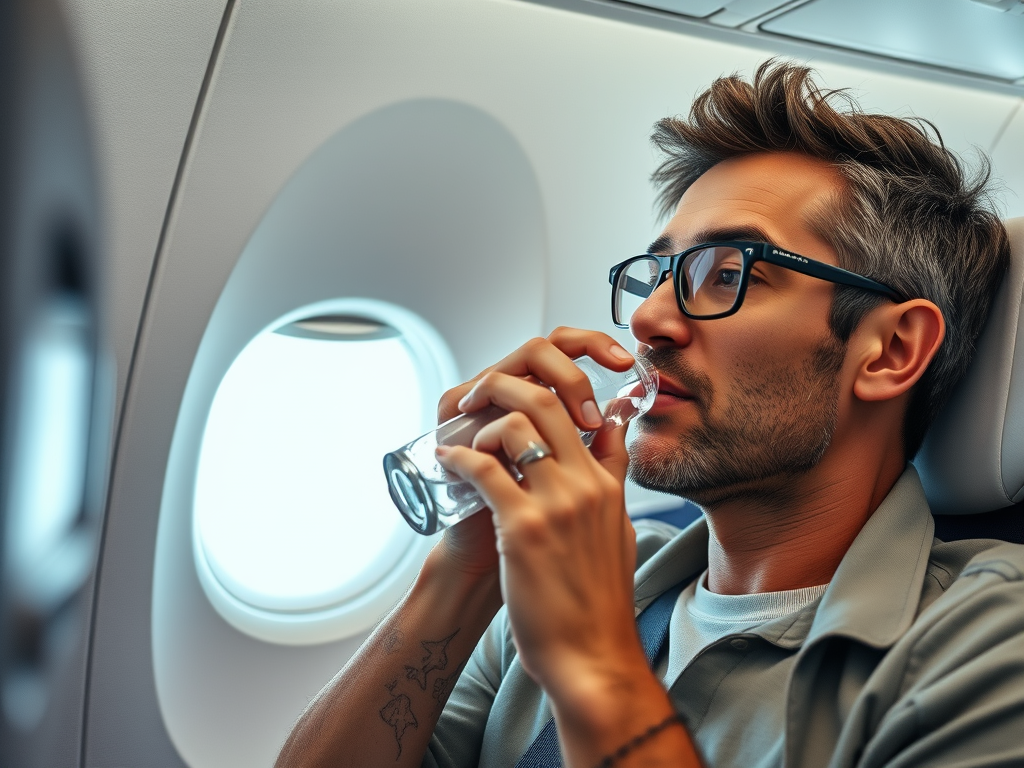
Cabin air is typically dry, with humidity levels around 20%, leading to quicker dehydration. Symptoms include dry skin, fatigue, and headaches. Aim to drink water regularly throughout the flight and limit consumption of alcohol and caffeinated beverages, which can further dehydrate the body.
4. Overusing Sleeping Pills
While it might be tempting to use sleeping aids during flights, they can cause grogginess upon arrival and, in some cases, increase the risk of DVT due to prolonged inactivity. Instead, use natural sleep aids like neck pillows, eye masks, and noise-canceling headphones to facilitate rest.
5. Ignoring Skin Care
The low humidity in airplane cabins can strip moisture from your skin, leading to dryness and irritation. Apply a good moisturizer before boarding and reapply as needed. Using a hydrating facial mist can also help maintain skin moisture levels during the flight.
6. Skipping Hygiene Practices
Airplanes are enclosed spaces where germs can spread easily. Regularly sanitize your hands and avoid touching your face. Wipe down tray tables, armrests, and seatbelt buckles with disinfectant wipes to reduce the risk of infection.
7. Dressing Inappropriately for Cabin Temperatures
Cabin temperatures can fluctuate, often feeling colder than expected. Dressing in layers allows you to adjust your clothing to stay comfortable throughout the flight. Bringing a light sweater or travel blanket can also help maintain warmth.
By being mindful of these habits and making small adjustments, you can enhance your in-flight experience and arrive at your destination feeling refreshed and healthy.

 SELFLOVECLUB