New research links nicotine addiction to genetics—but willpower still matters. Learn how genes, environment, and modern tools all influence smoking cessation success.

Is Smoking Addiction in Your Genes? 2025 Research Explains—But You Can Still Quit
Do you struggle to quit smoking and wonder if it’s more than just willpower? In 2025, researchers confirmed that genetics can influence nicotine addiction. But here’s the good news: You still have the power to stop.
🧬 What Science Says About Smoking & Genetics
Variants in the CHRNA5-CHRNA3-CHRNB4 gene cluster affect how the brain responds to nicotine. These genes impact the brain’s reward system and may raise addiction risk.
But genes are not destiny. Environmental factors still play a huge role.
🧠 Nature Meets Nurture
- Peer pressure and social habits
- Stress and mental health
- Easy access to cigarettes
A combination of genetic awareness + lifestyle strategy = your best shot at quitting.
⚠️ What Smoking Does to Your Body
- Heart & blood vessels: higher risk of stroke and heart disease
- Lungs: COPD, emphysema, and chronic cough
- Cancer: especially lung, throat, and mouth cancers
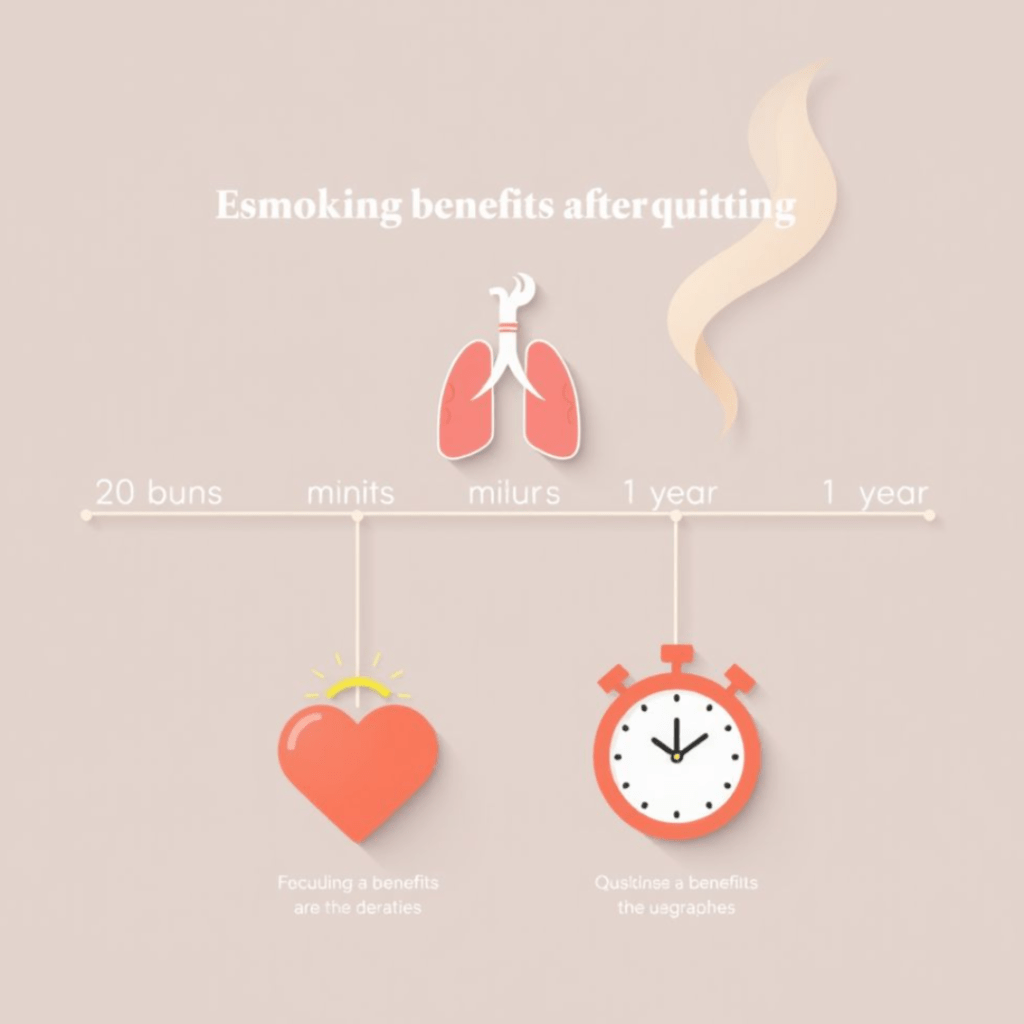
✅ The Body’s Recovery Timeline After Quitting
- 20 min: Heart rate drops
- 12 hours: CO levels normalize
- 2–12 weeks: Circulation and lung function improve
- 1 year: Heart disease risk cut by 50%
🛠️ Best Quit Strategies (Backed by 2025 Research)
- Behavioral therapy: Identify triggers + build coping tools
- Medication: NRTs, bupropion, or varenicline
- Support systems: Text coaching, support groups, apps
🛒 Discover SELFLOVECLUB’s quit support tools—from calming teas to lung supplements.
💚 Your DNA may influence cravings—but it doesn’t define your future. Browse more science-backed health insights on SELFLOVECLUB and start your smoke-free journey today.

 SELFLOVECLUB
Leave a comment